

Sabrina Ahmed
Policy & Public Affairs Manager
The U.S. midterm elections on November 3rd produced a seismic change in the balance of power in the federal government: From January 2027, Democrats will control both chambers of congress, including at least 55 Senate seats, and a majority of governorships— a party consensus not seen in 16 years. As President Donald Trump carries out his final two years in the White House, Washington will move to a divided government for the remainder of his term.
Rhetoric regarding affordability dominated many individual mid-term campaigns, and energy costs sat at its center, with candidates from both parties campaigning on the price of power. That concern extended to data centers, which were the subject of dozens of local ballot measures and drew opposition from voters across the political aisle. In national exit polling, more than half of voters said energy affordability was a major or crucial factor in how they voted. For investors, the implication is clear: affordability will now frame decisions at every level of government, from Congress to the county board, and that means navigating a more fragmented framework across federal, state, and local levels.
What happens now
As we outlined in July, a change in congressional control does not necessarily change who holds decisive power in Washington. While Democrats will control the Senate and House of Representatives, they remain well short of the 60 votes needed to end a Senate filibuster, and neither chamber has the two-thirds majority required to override a presidential veto. Very few laws are expected to be ratified without the President’s agreement and support from both parties. The new Congress can, however, exert its influence through appropriations, oversight and, in the Senate, confirmation of the President’s nominees.
Funding is the most consequential lever, and its first test comes before the new Congress has even taken office. Government funding and the short-term extension of highway and transit programs both expire on December 11th, and either a shutdown or a further stopgap could disrupt grant awards and federal approvals. That decision falls to the outgoing Republican majority in a lame-duck session, and Democrats lack the incentive to agree to a long-term deal before they take control. From January, the new majority will write the spending bills, including the next iteration of the surface transportation bill, since the bill pending in the House is unlikely to pass before Congress adjourns. The prospect of short-term renewals versus the certainty of a long-term reauthorization puts projects that depend on federal grants at risk and may strengthen the case for private capital.
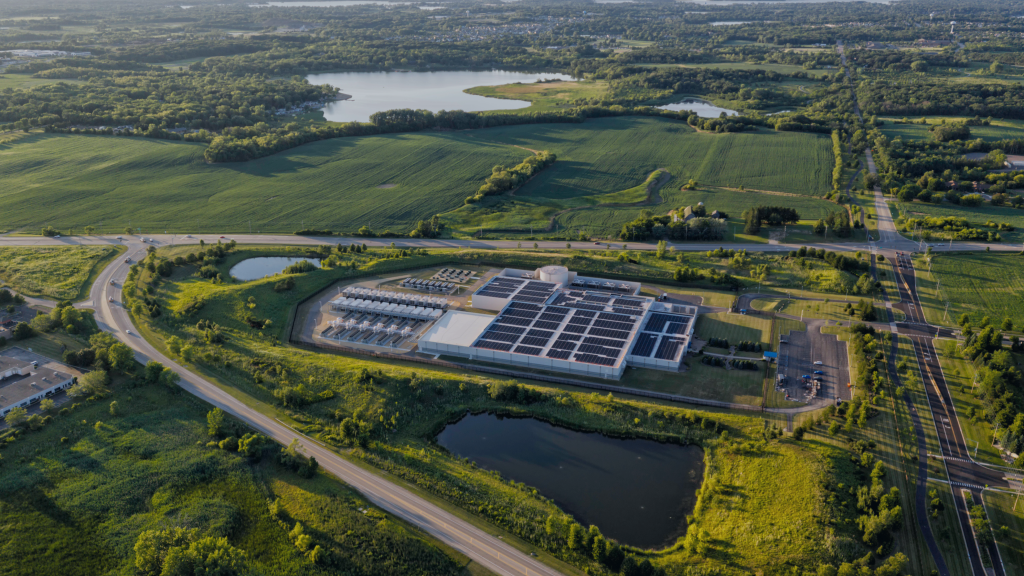
With its oversight, subpoena power and a new Democratic majority, Congress is also likely to look more closely at data centers and AI infrastructure, including their effect on electricity bills and grid reliability, as well as the tax breaks they receive. That adds uncertainty over future regulation, spending plans and construction calendars. For infrastructure investors, the main exposure is not to the value of AI companies but to the power plants, grid connections and data centers built to serve them. With demand for these assets expected to keep growing, the more immediate risk is delay. Despite Congressional attention, ultimately the decision lies with state regulators and county officials as to where data centers can be built, how they connect to the grid, and what they pay for power. Therefore, the outlook for any project will increasingly depend on which state or district it is located.
The shift in power does not rule out further progress in Washington. On November 9th, the Senate voted 73–25, with support from both parties, to open debate on a bipartisan permitting reform bill— a sign that infrastructure remains an area of potential agreement. The bill’s path remains narrow; even with Senate support, the bill faces a skeptical House. Still, widespread support from industry and labor unions and years of frustration from permitting delays suggests that it may be possible to pass the bill before next year.
Taken together, divided government will limit what Washington can deliver, and more decisions that matter to infrastructure will be made in state capitals and county offices. The tailwinds identified in July remain, but jurisdictions with clear, stable rules will be best placed to attract the capital they need.