
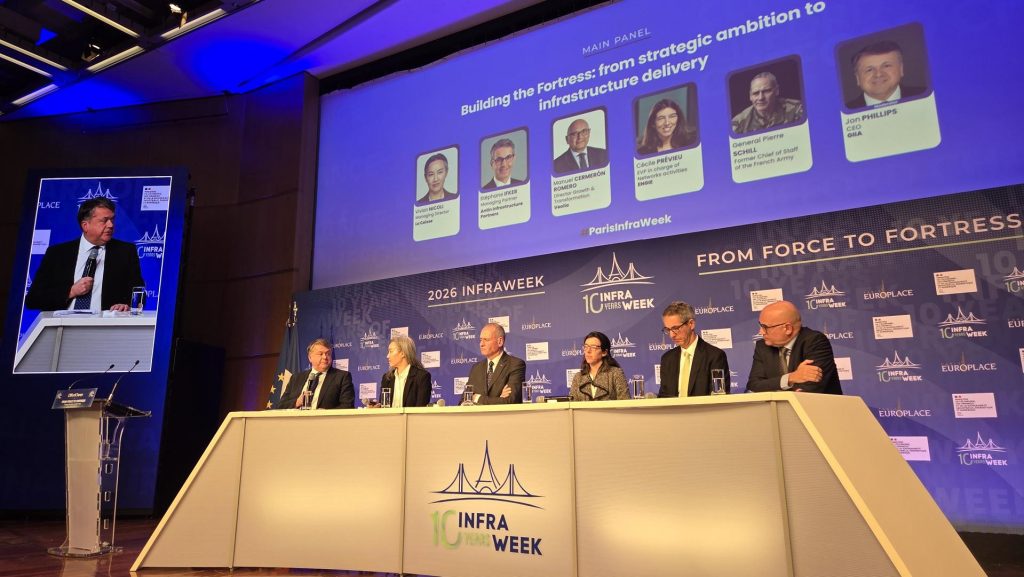
We were pleased to bring together members from across the industry during Paris InfraWeek 2026 as we led two events exploring how Europe and France can continue to build resilience and attract the capital needed to deliver it.
Thanks to Paris InfraWeek organisers Paris Euorplace, the French Ministry of Economy and Finance, as well as members and event partners Clifford Chance, Flint Global and Anotech, we were able to bring together hundreds of guests, speakers and keynotes.
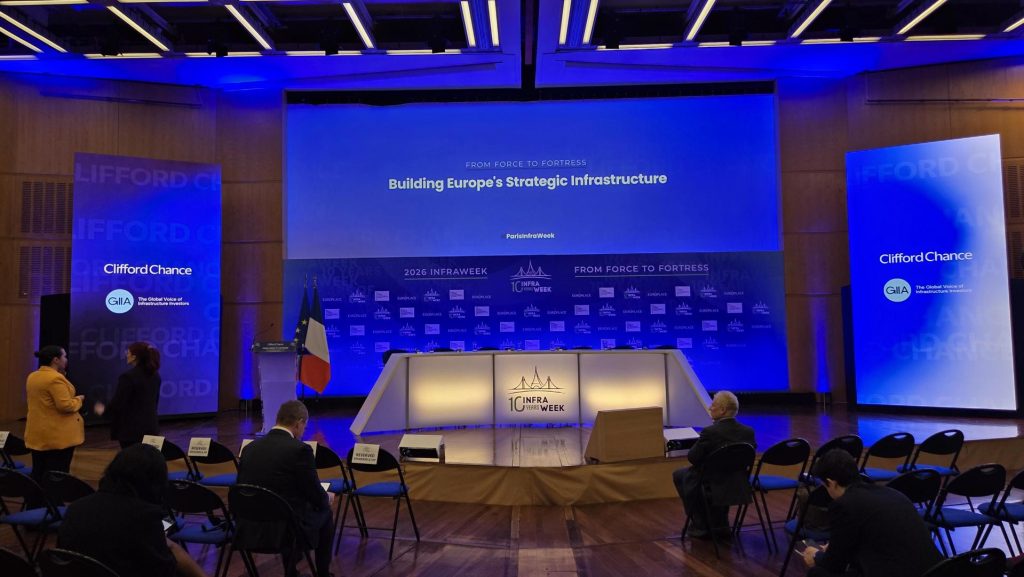
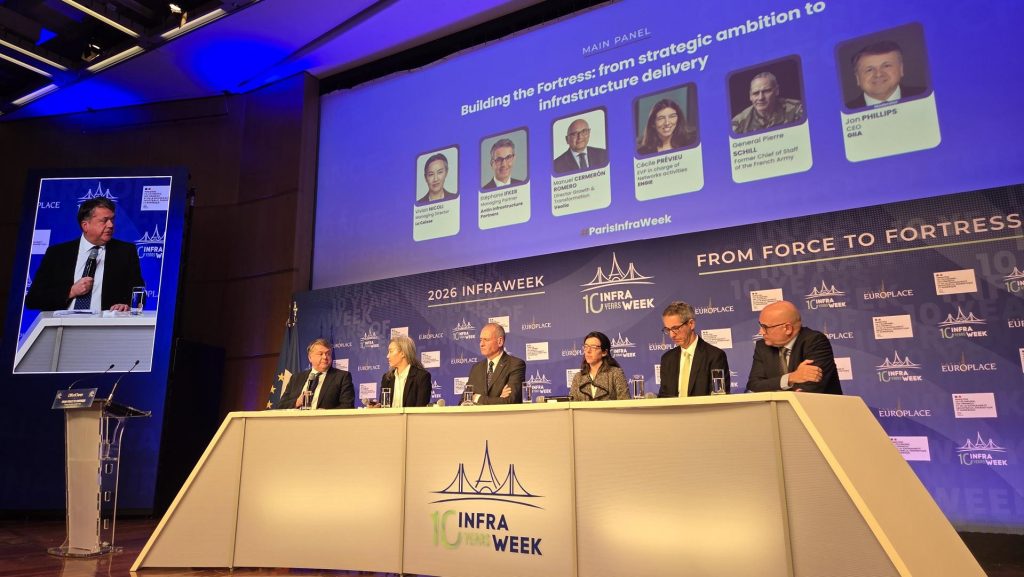
From Force to Fortress: Building Europe’s Strategic Infrastructure
Hosted by our member law firm Clifford Chance, our first event of Paris InfraWeek included headline names from the world of politics, military and infrastructure investment and operations, including our CEO, Jon Phillips. During one of the panels, he drew on the panel to explore the key role private capital will play in making Europe stronger, more resilient and more competitive.
The discussion looked at Europe’s infrastructure opportunity through the lens of resilience, sovereignty and strategic autonomy, and how these translate into practical priorities, investment requirements and delivery at scale. Infrastructure in the EU has always underpinned economic competitiveness, but geopolitical risk, security of supply, climate resilience and technological change are placing even greater emphasis on critical assets: including energy networks, ports, rail corridors and airports to data centres, interconnectors, submarine cables, semiconductor facilities, defence supply chains and satellites. Europe must strengthen its ability to deliver its own infrastructure goals without cutting off its partners.
Our discussion was a continuation of member Vauban and Infravision’s event “The Awakening of the Force,” with leaders from business, government and academia exploring one key question: How can infrastructure power the transitions ahead?
We were pleased to hear from François Hollande, former President of the French Republic, and General Pierre Schill, former Chief of Staff of the French Army, alongside investors and industry experts from within and beyond the GIIA membership.
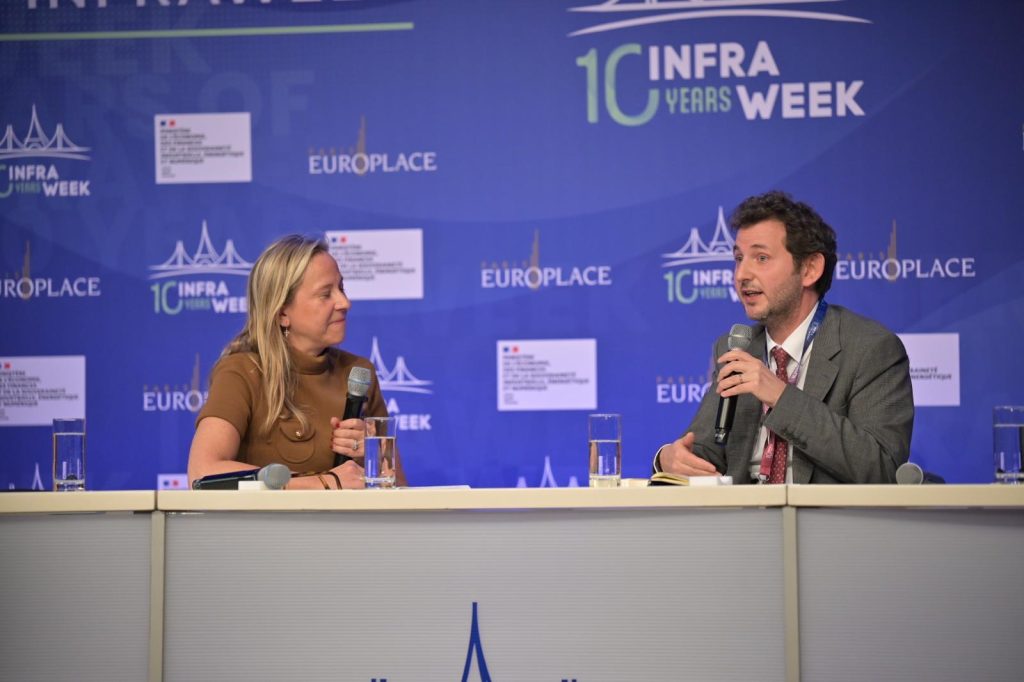
Mounir Corm, Deputy CEO and Founding Partner of Vauban Infrastructure Partners, closed the day with the fireside chat “What Europe Must Do Next”, offering a forward-looking conclusion to a day dedicated to Europe’s infrastructure ambitions and challenges touching on salient topics such as decarbonization, grid buildout, water resilience, and data sovereignty.
Many thanks to our event speakers, including Patrick Tardivy, Paul Loisel, Charlotte Madden, Vivian Nicoli, Stephane Ifker, Manuel Cermerón Romero, Cécile PREVIEU, Mounir Corm and Delphine Siino Courtin. Our special thanks to event hosts Clifford Chance, and in particular Sonia Tavanai-Tamanai and Katy Smitzi.
What could France’s 2027 presidential election mean for infrastructure investment?
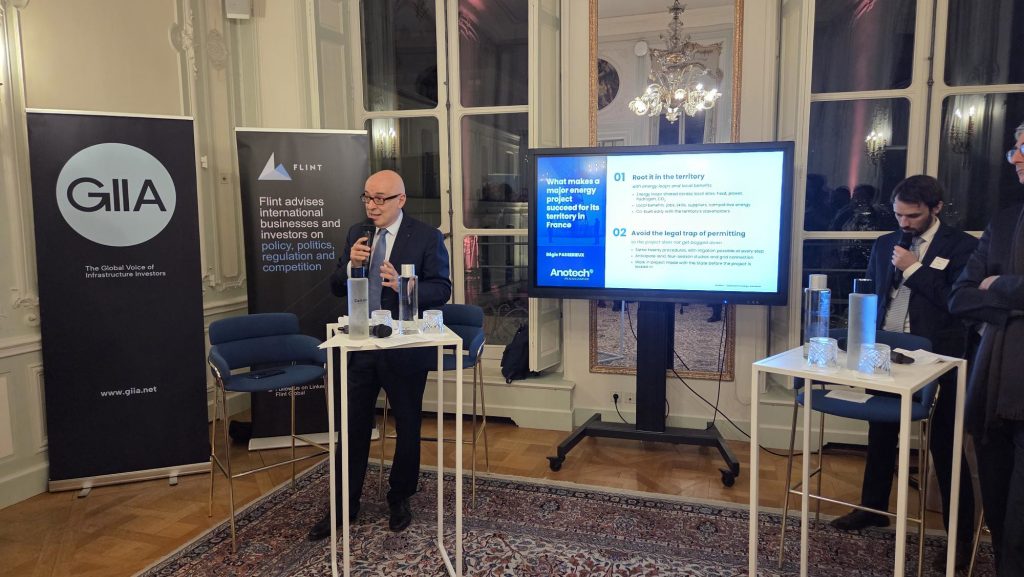
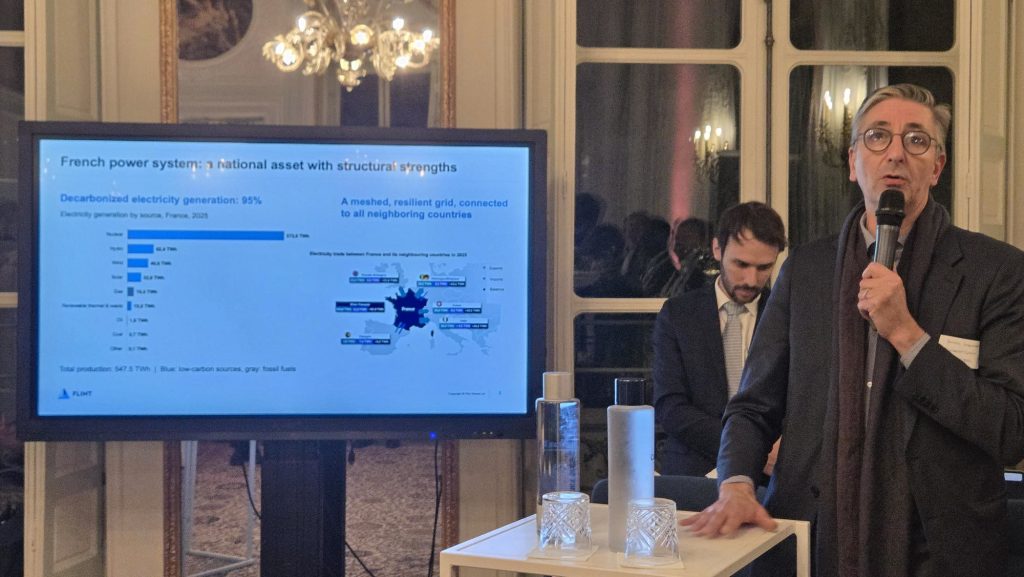
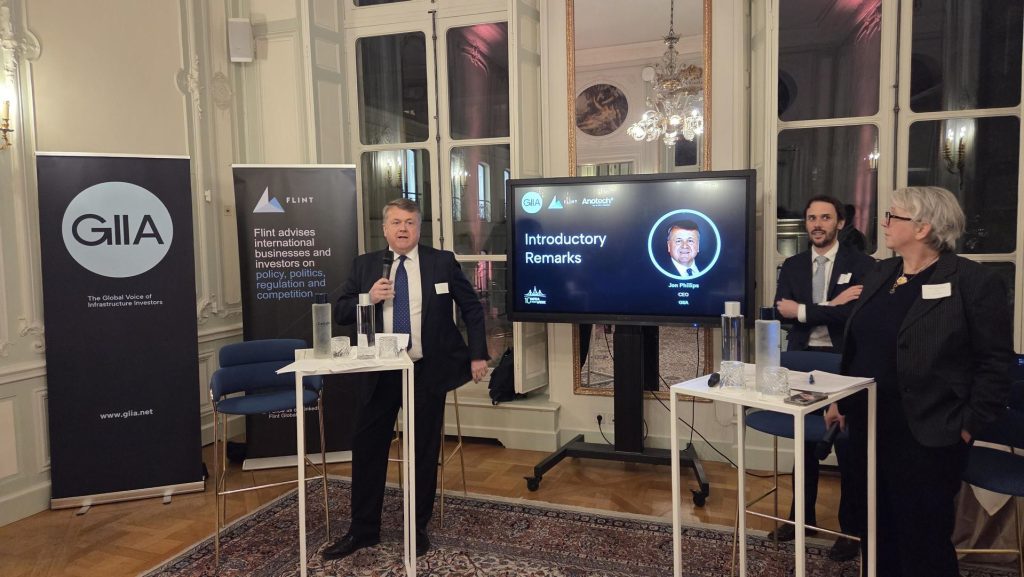
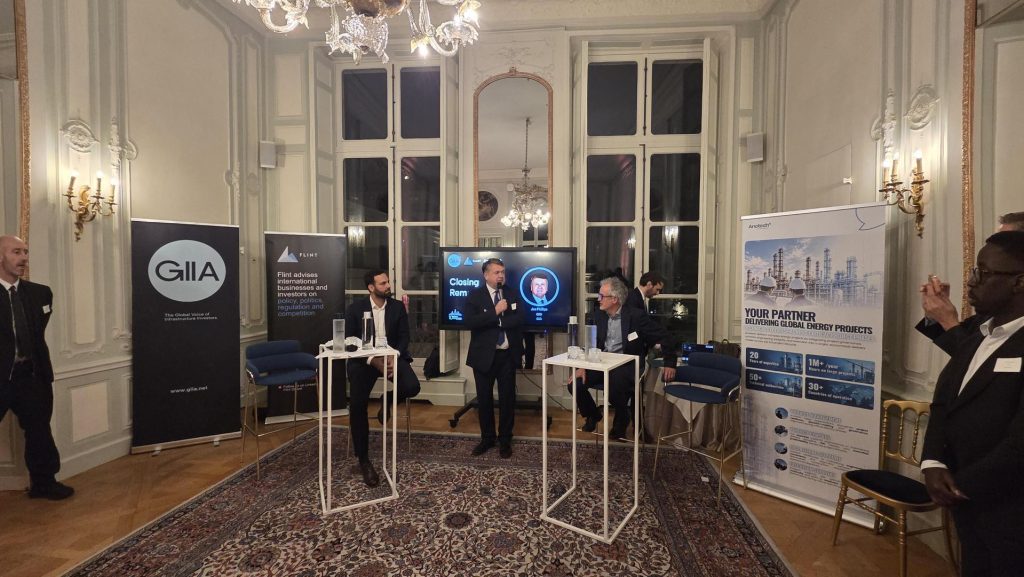
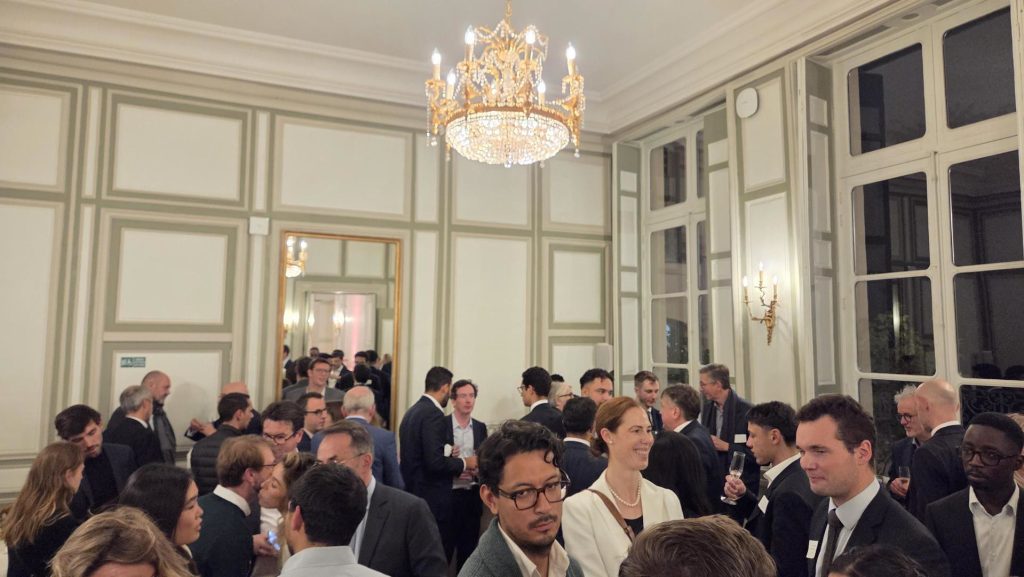
At our evening reception, co-hosted with Flint Global and Anotech, industry experts discussed the political, policy and regulatory developments likely to shape France’s infrastructure landscape in the year ahead. Key takeaways for investors included:
- Energy: France’s largely decarbonised electricity system is a major strategic asset. There was broad agreement among our panelists on a future mix of renewables and new nuclear, with debate focused on the pace of deployment, rising demand and the investment needed to support electrification.
- Grid connections: Despite a resilient, interconnected network in France, connections remain a potential bottleneck. Changes to connection rules, including first-ready, first-served and fast-track processes for strategic projects, will be important for resolving this.
- Stakeholder engagement: Local stakeholders and public authorities need to be brought into major energy projects earlier and given a chance to engage. Better coordination between sponsors, the State, grid operators and communities can reduce permitting risk and speed up delivery.
- The 2027 election: The result of next year’s elections will have important implications for France’s business climate, strategic sectors and regulatory direction, as well as its influence on European policy.
Jimmy Brun, infrastructure spokesperson for Édouard Philippe’s presidential campaign (Horizons party), also took to the stage to outline Philippe’s planned reforms. These include changes to the pension system to unlock savings, progress towards a European savings and investment union, and a renewed focus on attracting global capital to France.
Thank you to Flint Global and Anotech, and to all our speakers and to everyone who joined us.
For more photos from our events, please visit our Flickr gallery.